Market notes, with the sources attached
What we read in the Nordic market and what it means for projects and capital. Official sources first, analysts' views marked as views, nothing presented as advice.
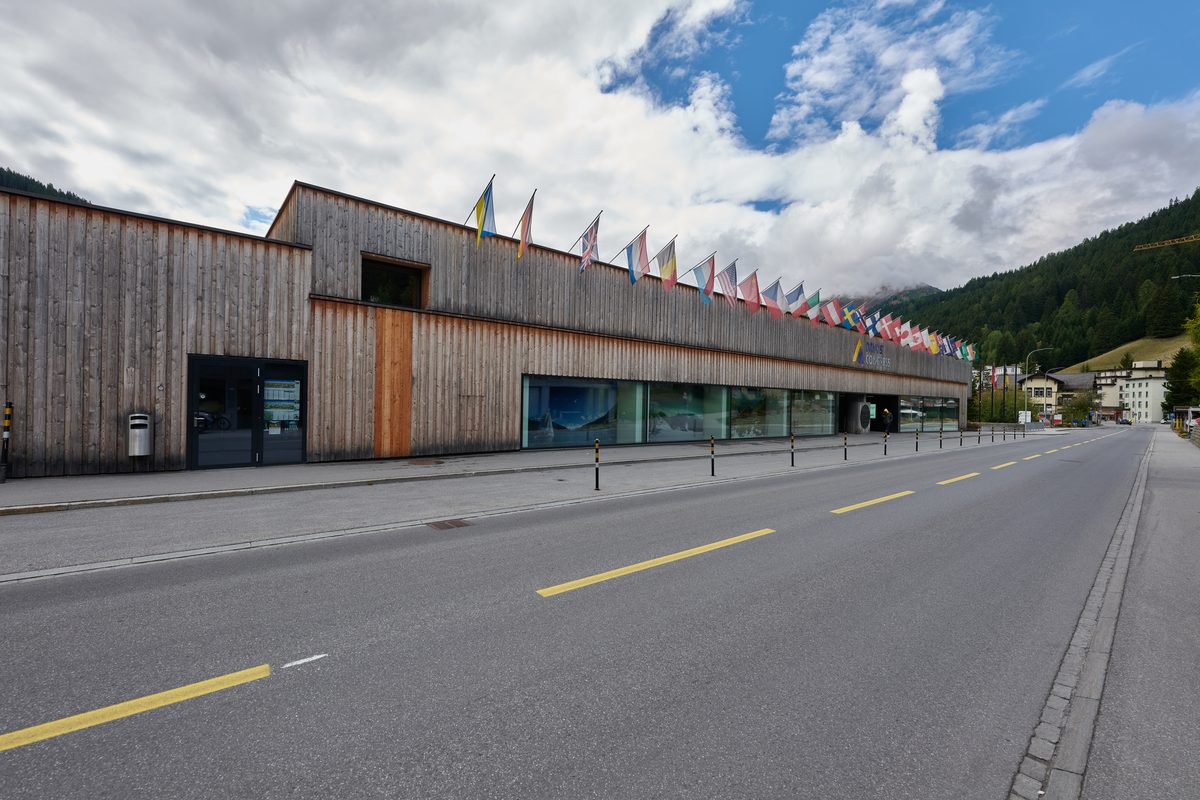
Davos 2026: what was said, and what has happened since
Record government participation, a Global Risks Report dominated by geoeconomic confrontation, and chief economists who expected a softer year. Nine months on, rates are higher, tariffs have changed shape and the forecasts have moved. What it means for Nordic capital.
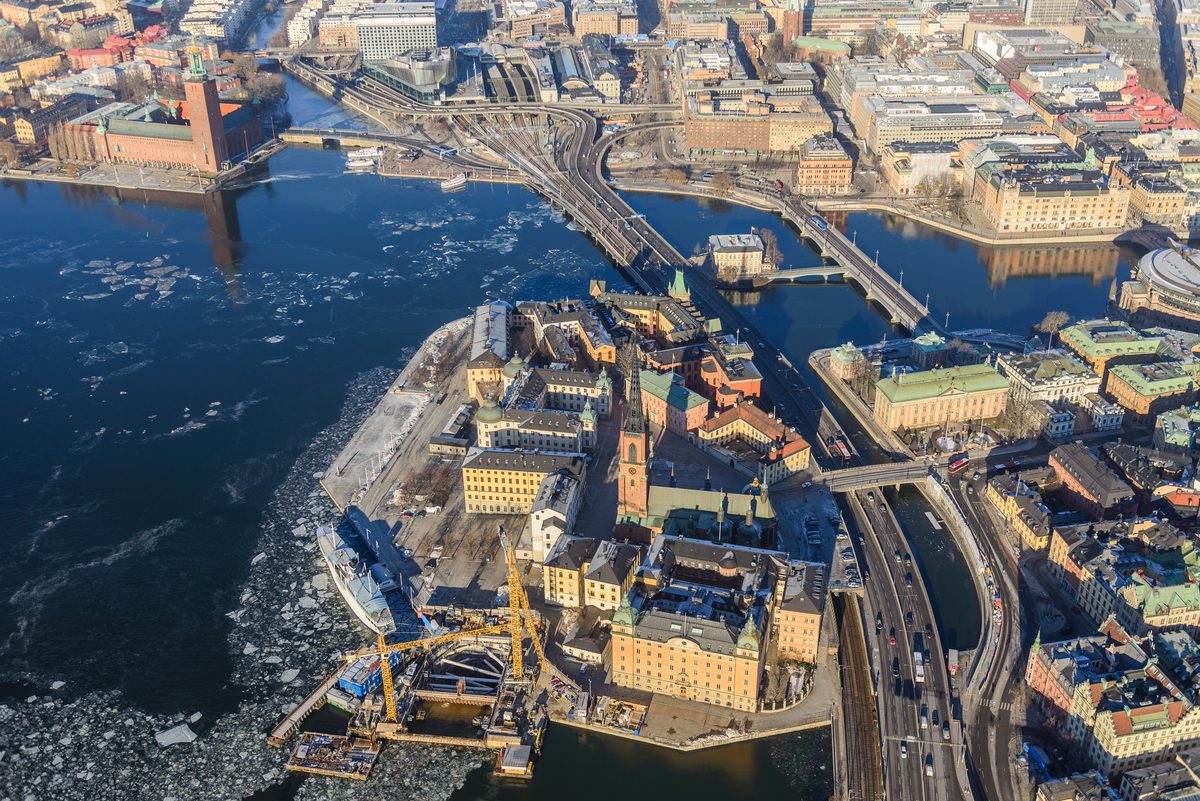
Why the Nordics: the case for careful capital
Rule of law ranked first to fourth in the world, public debt of 26 to 40 per cent of GDP in three of four countries, a property market that has repriced to today's rates, and clean power the rest of Europe is short of. Why patient capital chooses the Nordics, and why 2026 is a good year to arrive.
2027 to 2030: how the Nordic market turns
Norway's rate falls from 4.6 to 3.5 between 2027 and 2029, Sweden's rises gently from 1.75 to 2.4, yields peak in 2027, and four structural flows, housing, defence, grid and data, decide where the demand goes. The outlook for patient capital, year by year.
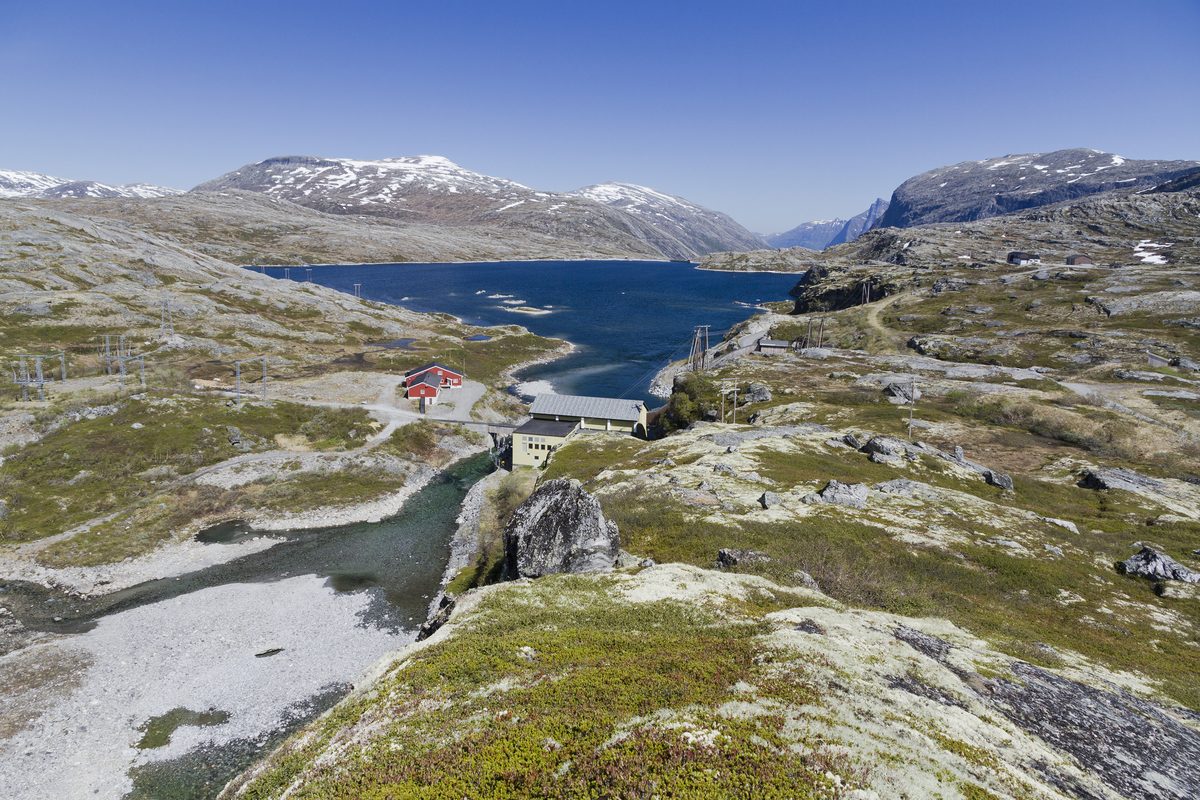
Sustainability is the Nordic edge, not a cost
Norway's power is 90 per cent hydro, Sweden's grid 99 per cent low-carbon, and the rules that bind European investors now reward exactly that. Certified Stockholm offices rent for 4 to 9 per cent more, green loans cost 5 to 10 basis points less, and the institutions will not subscribe without the paperwork. How sustainability prices in.

Why the window in the Nordics is open now
Norway's policy rate stays near 4.5 per cent through 2027. Yields have repriced, leveraged and foreign buyers stand aside, and the equity gap sits with the sponsors. For careful, patient capital that is an opening.